MU’s form has declined due to playing fewer matches, an unbelievable paradox.
MU they are going through a period that has surprised fans, as their decline in form stems from playing too few matches. In modern football, many teams often get tired due to a packed schedule, but the Old Trafford team is in the opposite situation. When the rhythm of play is disrupted, players struggle to maintain their feel for the ball and tactical cohesion. According to analysis from keonhacai the long breaks between matches mean the team lacks consistent playing form, directly impacting individual performance and collective strength. This reality poses a major challenge for the coaching staff for the remainder of the season.
MU and the paradox of poor form when the fixture schedule is too sparse.
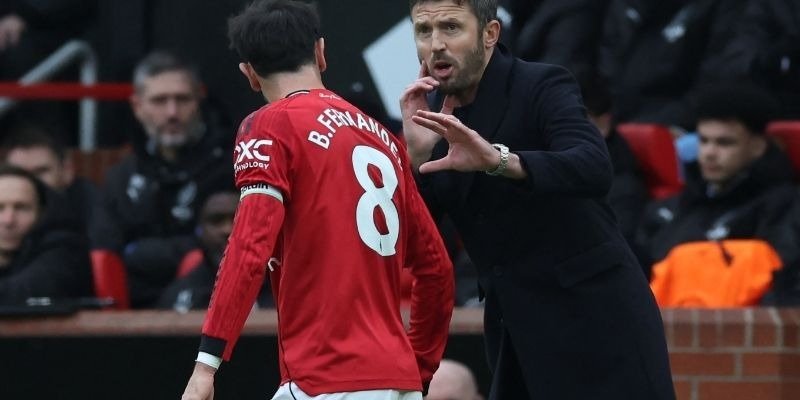
The sparse match schedule disrupts the team’s professional rhythm.
In previous seasons, big teams often had to compete on multiple fronts. However, this season has seen an unusual situation where MU he didn’t get to play too much. What seemed like an advantage in terms of physical fitness actually became a problem, causing his performance to decline.
When players don’t play regularly, their ball control and rhythm gradually decline. Combination plays requiring speed and teamwork become less accurate. This often leads to slow starts for the team, or even losing control of the game in the opening minutes.
Besides technical skills, the players’ mentality during matches is also significantly affected MU maintaining confidence often requires consistent competition. When the gap between matches widens, the initial excitement wanes, causing many individuals to lose their peak performance.
Modern football shows that many teams perform well when playing consistently. A stable game rhythm helps players maintain their tactical routines. When this cycle is interrupted, the entire team needs time to get back into rhythm before each new match.
The star players are starting to lose their competitive edge.

Key players are struggling to maintain their playing rhythm.
The gap between matches is creating many obvious consequences. Many key players of the team are affected MU they are starting to show signs of a lack of sharpness in crucial situations. Especially in quick attacks, accuracy decreases significantly.
Against this backdrop, many experts believe the biggest problem lies in maintaining individual performance. When players don’t get regular playing time, their ability to handle the ball in tight spaces is also affected.
MU and the pressure to keep its stars in form.
Playing fewer matches makes it difficult for key players to maintain peak performance.
One notable point is the inconsistency of the attacking players. When not playing regularly, strikers often lose their goal-scoring instinct, which requires keen awareness and high confidence.
Many recent shooting situations show that the player MU the processing speed is slower compared to the previous period. Clear opportunities are sometimes missed simply because of a lack of familiar processing rhythm. This is a clear consequence when the intensity of the game is insufficient to maintain performance.
Not only the attacking line, but also the midfield positions are affected. Central midfielders MU maintaining a constant pace of movement is essential for controlling the game. When playing fewer matches, the ability to read the game and regulate the tempo also decreases.
Tactical cohesion gradually declined.
A strong team relies not only on outstanding individual players but also on seamless coordination between the different lines. However, with a sparse schedule, these coordinated plays are not regularly tested under real pressure.
This resulted in many attacking moves lacking coordination. Defenders and midfielders MU sometimes misunderstandings occur during fast-paced situations. Just a moment of delay is enough to let an attacking opportunity slip away.
In addition, the coaching staff MU they also face difficulties in testing new tactics. Changes in team formation require many matches to perfect. As the number of matches decreases, the adjustment process also slows down.
The adjustment problem for the decision phase.

The coaching staff needs a solution to maintain a consistent pace of play.
To address the current situation, the coaching staff is looking for ways to help players maintain their match intensity. Some of the proposed solutions include increasing high-intensity training sessions to simulate the pace of a real match.
Such training sessions help players maintain their ball control and necessary focus. As the intensity of training increases, their match fitness is also better maintained, even without many official matches.
In addition, proper squad rotation is also crucial. When more players get playing time, the entire team maintains positive internal competition. This helps prevent key players from losing form due to insufficient playing time.
Experts believe that if the team makes good use of this period, they can still regain the necessary rhythm before the important matches of the season. The most important thing is to maintain focus and a stable rhythm of play.
Summary
The current season is revealing an interesting paradox of modern football when MU they are once again facing difficulties due to playing too few matches. The disrupted rhythm of play has caused players to lose their feel for the ball, tactics lack cohesion, and the overall team performance has declined. However, this is not an insurmountable problem if the coaching staff quickly adjusts training methods and match preparation. Once the key players regain their familiar rhythm, the team can absolutely make a strong comeback in the crucial stages. The latest analyses of international football are always updated at https://keonhacai.org.vc/.